


NIGERIA – The Nigerian College of Aviation Technology (NCAT) says it has signed a Memorandum of Understanding (MoU) with the South Sudan Civil Aviation Authority to help build more human capacities for the South Sudanese aviation industry.
NCAT made the disclosure after a delegate of the South Sudanese CAA, led by its Director-General, Hon. John Eliana visited NCAT recently in Zaria.
The visit was said to be a directive of the President of South Sudan, Salva Kiri Mayardit.
The delegation undertook a facility tour of the college and were greatly impressed with the cutting edge facilities on ground, the comprehensive training programmes and the vastly knowledgeable instructional staff.
The Rector/Chief Executive of the college, Dr. Danjuma Ismaila, receiving the delegation, appreciated the interest shown in the college’s programmes, which are certified and classified as Regional training Center of Excellence with Platinum Status by ICAO.
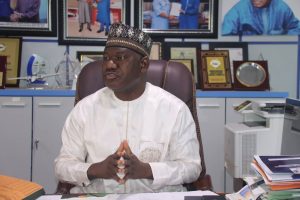
Ismaila assured the South Sudan CAA of the College’s readiness to provide the South Sudanese with NCAT’s technical and managerial training to meet their aviation industry needs.
“Our training will offer them the competency required to launch their civil aviation sector for connectivity and expertise that support the country’s potential in tourism development.”
The visitors were further availed with NCAT’s detailed training programs, courses and facilities, especially in areas that best abridge their human capacity gaps.
The South Sudan CAA expressed their satisfaction with the college’s programs and facilities.
They also expressed readiness to commence the training for both long term and short term in Nigeria.
However, they requested for some specific training to be conducted in Juba the capital of South Sudan.
Thereafter, and MoU was signed to ensure a smooth implementation of training agreement.
NCAT is training college to consistently provide the aviation industry with professionals and other personnel through training and related services for safe transportation in accordance with international standards.


Comments are closed