
Subtotal ₦0.00

...Counters NCAA’s Flight Delay Statistics
By Mercy Odeh (Content Editor)
Nigeria’s airline operators have attributed a significant proportion of flight delays and cancellations to airport congestion, inadequate infrastructure and adverse weather conditions, even as the Nigeria Civil Aviation Authority (NCAA) cautions operators that effective planning, mitigation and passenger care remained their responsibility.
The operators also faulted recent flight disruption data released by the NCAA, which showed that more than 60 per cent of domestic flights were delayed in August 2026, arguing that the figures failed to distinguish between delays caused by airlines and those resulting from wider industry constraints.
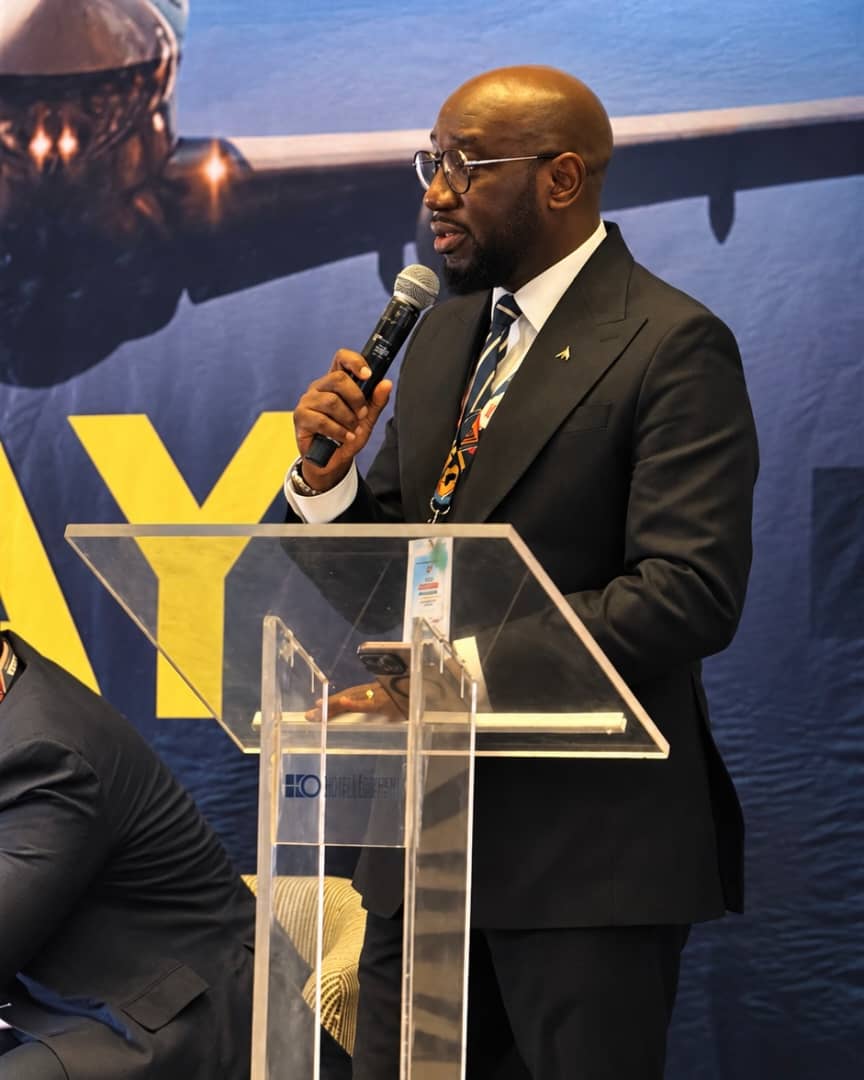
The Chief Commercial Officer of United Nigeria Airlines (UNA), Adedayo Olawuyi, stated this on Tuesday at the Aviation Day of the 23rd Akwaaba African Travel Market in Lagos, with the theme: “Delayed and Cancelled Flights: The Rules and the Rights of Passengers — The Airline Perspective.”
Olawuyi said airport congestion was a major source of delays, particularly during peak morning operations when several airlines schedule departures within the same period.
He explained that an aircraft ready for departure could remain on the ramp or taxiway because of congestion, turning a scheduled 6:59 a.m. pushback into a 7:38 a.m. departure and creating delays that could affect subsequent flights.
He added that technical faults and adverse weather could also disrupt operations, with safety requirements sometimes forcing airlines to delay or cancel flights.
Olawuyi cited a recent Lagos-Kano flight that eventually departed Lagos at about 10:30 p.m. after bad weather delayed the original departure. The aircraft reached Kano but had to return to Lagos after a thunderstorm disabled the runway lighting system, making a safe landing impossible.
He noted that many Nigerian airports have limited night operating capabilities, meaning delays that extend into the night can ultimately result in cancellations.
Reacting to the NCAA’s August statistics, Olawuyi questioned the basis for attributing the high percentage of delays to airlines without first separating controllable delays from those caused by other stakeholders.
“I will use an analogy. You go to school and 60 per cent of the students fail, is that the fault of the school?” he asked.
He argued that once controllable and uncontrollable delays were separated, a high percentage of airline-attributable delays could more accurately indicate where corrective action was required.
Meanwhile, the Chief Commercial Officer of ValueJet, Trevor Henry, identified presidential movements, adverse weather, congestion at check-in and security screening points, boarding gates and taxiways as additional sources of disruption.
The Chief Operating Officer of the Murtala Muhammed Airport Terminal Two (MM2), Remi Jibodu, meanwhile, proposed a coordinated slot system to ease congestion and improve the flow of aircraft.
Jibodu said several airlines often schedule flights around 7 a.m., resulting in thousands of passengers arriving at the airport at the same time and putting pressure on airport facilities.
He advocated collaboration between airport operators and airlines to stagger departure times and distribute traffic more efficiently.
“The truth is that at this point, we have to look at the slot system to see how we can coordinate it. It may not be a full slot system, but we must be able to give a little bit of concession to that,” Jibodu said.
Recall that the NCAA had recently maintained that while some disruptions may be beyond airlines’ control, operators must ensure that their schedules reflect available aircraft and crew and that adequate contingency measures are in place.
The NCAA Director-General, Capt. Chris Najomo, gave the warning during separate interactive sessions with Air Peace and Max Air at the authority’s headquarters in Abuja on September 10.
Najomo questioned the effectiveness of airlines’ operational buffers in the face of recurring delays and cancellations, while acknowledging weather, diversions and airport restrictions as legitimate sources of disruption.
He stressed the need for realistic scheduling, contingency planning, timely passenger communication and effective mitigation whenever disruptions occur.
The NCAA Director of Public Affairs and Consumer Protection, Michael Achimugu, also raised concerns over cases where passengers were left without adequate information or assistance, reminding airlines of their obligations to provide care and compensation where applicable.
At the Air Peace session, the airline’s Chief Operating Officer, Oluwatoyin Olajide, disclosed that the carrier had 20 aircraft, of which five were Aircraft on Ground (AOG) and 15 serviceable.
She said the airline deliberately operated between 80 and 85 flights daily to maintain an operational buffer against disruptions.
Olajide attributed some disruptions to technical issues, including bird-strike damage, component shortages and a cracked windshield, as well as weather and airport restrictions. She maintained that Air Peace provided hotel accommodation and assistance to affected passengers.
At the Max Air session, the airline’s General Manager, Ground Operations/Business Development, Raymond Omadiagbe, said the carrier had three serviceable Boeing 737 aircraft available for domestic operations but was operating only two because of crew limitations.
He said Max Air had reduced its schedule to align with available resources and had discontinued late-night Kano operations following passenger feedback.
Najomo identified pilot retention as a challenge facing operators and said the NCAA was supporting training-bond arrangements while considering measures to facilitate foreign crew validation.
He, however, stressed that proper licence verification and simulator checks remained essential.
