
Subtotal ₦0.00

By Mercy Odeh (Content Editor)
Rising operational costs, mounting government charges and debts, growing capacity, weak investment confidence and soaring ticket prices are emerging as critical challenges threatening the survival and sustainable growth of Nigeria’s aviation industry.
Professor Obiora Okonkwo, Chairman of United Nigeria Airlines (UNA), has said Nigerian airlines are absorbing a significant portion of rising operating costs to keep airfares within reach of passengers and protect the survival of the sector.
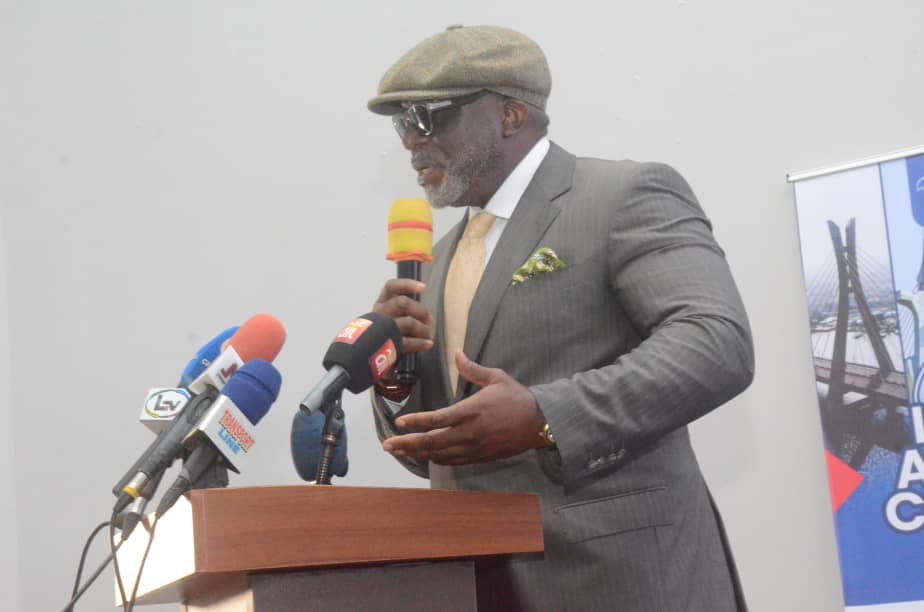
Okonkwo, who spoke in an interview on the sidelines of the League of Airport and Aviation Correspondents (LAAC) conference, said the current challenges facing airlines were not simply a question of whether operators were paying government revenues, but were largely the result of rising costs confronting the industry.
He said airlines globally had been facing serious economic pressures since early in the year, worsened by the sharp increase in the cost of aviation fuel and other operational inputs.
According to him, he had earlier warned that the developments would have serious consequences for airline operators and called for temporary measures to cushion the impact.
He said the Federal Government had responded by granting a 30 per cent waiver on legacy debts, but added that some other issues were still awaiting further discussion with the President.
“We just don’t think that this is only concluding,” Okonkwo said, stressing that transferring the full impact of rising costs to passengers would have wider consequences for the economy.
He said airlines had therefore chosen to absorb some of the costs rather than impose steep increases on passengers, particularly because the period coincided with the traditionally low-demand months in Nigeria’s aviation calendar.
“The cost component of every ticket you’ll fly to some destination is less than cost,” he said, adding that the industry had to consider the ability of passengers to absorb further increases.
Okonkwo also dismissed the perception that airline operations could be treated simply as a cash-and-carry business, explaining that airlines had significant financial obligations and operated within established settlement arrangements.
Nigeria’s Growing Capacity
On Nigeria’s recent increase in seat capacity across several routes, Okonkwo said the development was evidence of growing investor confidence in the country’s aviation sector.
He commended Nigerian airline operators for continuing to expand despite the difficult operating environment, saying the increase in capacity would ultimately benefit passengers, the economy and the aviation industry.
According to him, improved economic conditions and greater currency stability over the past year had helped boost investor confidence.
“We have had stable currency in the last one year now and this has gone a long way in creating some investor confidence,” he said.
He added that increased investment in aviation had made it possible for airlines to expand their networks, serve more destinations and increase flight frequencies.
The airline executive said the benefits would extend beyond airlines to passengers and the wider economy through improved connectivity and services.
Why Airfares Vary
Okonkwo also explained that there was no single fixed cost for an airline ticket, as fares were determined by a yield-management system that allowed airlines to sell seats on the same aircraft at different prices.
He said the system was necessary because airlines had to balance lower fares with the cost of operating flights and the risk of unsold seats.
“On the same flight, you may have people who pay different prices,” he explained, noting that the different fares were combined to achieve the required yield for the flight.
He argued that the headline price paid by a passenger did not represent the amount ultimately retained by the airline as revenue after various costs and obligations had been accounted for.
According to him, Nigerian airfares remained relatively low when compared with fares in many other countries, despite the high cost of operating in the country.
He said airlines therefore had to carefully manage fares to cover operating costs while keeping tickets affordable enough to sustain passenger demand.
Okonkwo urged stakeholders in the aviation industry and government to continue engaging on the challenges confronting airlines, stressing that decisions affecting operators should take into account the long-term sustainability of the sector.
